O-Tao: The Oyster Omelette Only Phuket Makes
Every Thai beach town has a hoy tod — the crispy mussel or oyster omelette fried on a flat griddle across the country. Phuket looked at that dish and went its own way. The island's version is called o-tao, and the difference is in the name: tao points to taro, the starchy little cubes that make a Phuket oyster omelette unlike any other in Thailand. If you eat one street snack that exists here and essentially nowhere else, make it this one.
What's in the pan
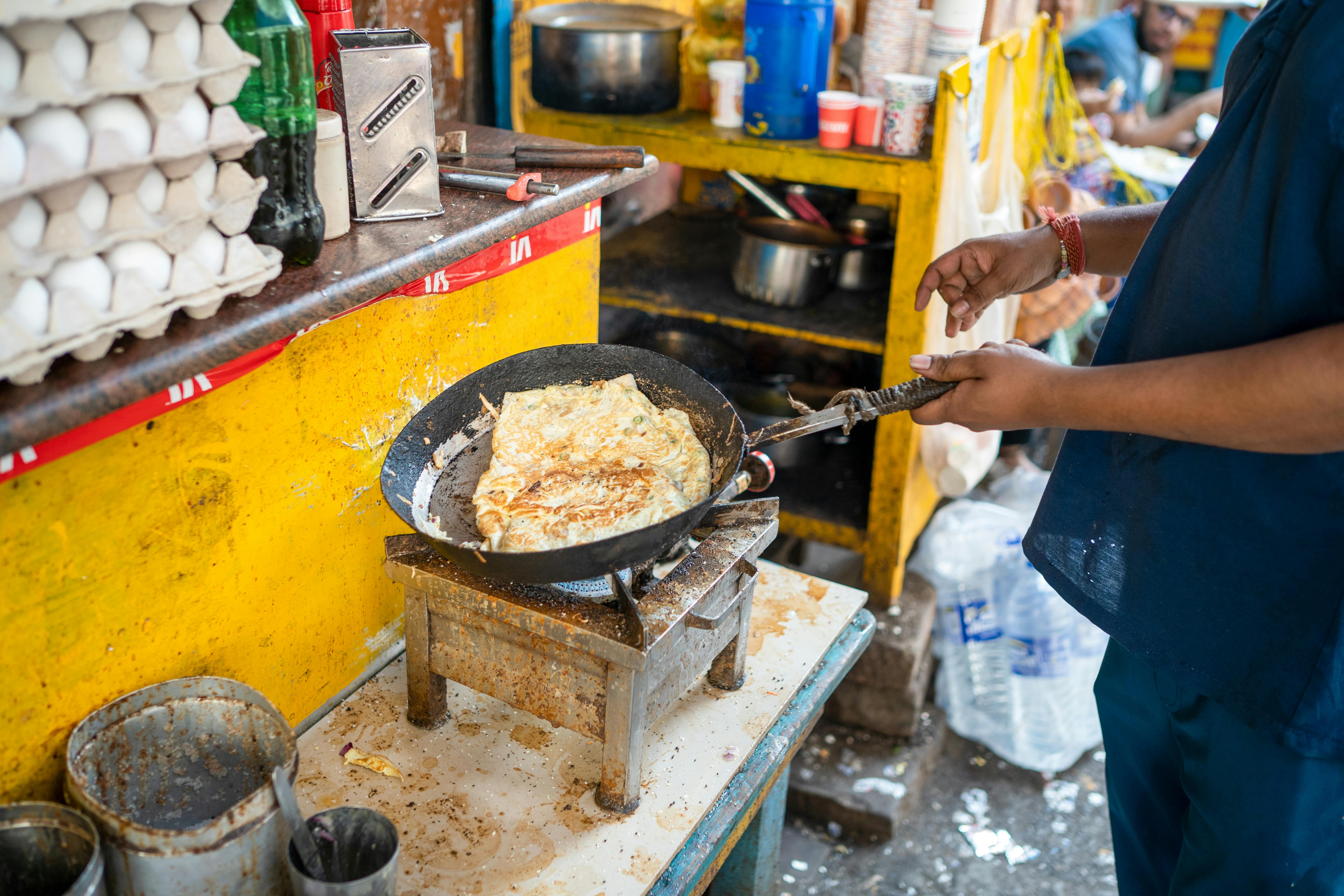
The cook works a big, well-seasoned flat griddle — the same theatre as hoy tod, with more ingredients in play. Batter (rice and tapioca flours, for chew as much as crisp) goes down with cubed taro that has been pre-cooked until soft. Small oysters — Phuket's local oysters are petite and briny rather than huge and creamy — are folded through with bean sprouts, spring onion, and egg. The whole thing is fried in pork fat traditionally, chopped and turned with a spatula as it cooks, and finished with a pile of crispy fried pork crackling-style bits or small cubes of pork on top, depending on the vendor.
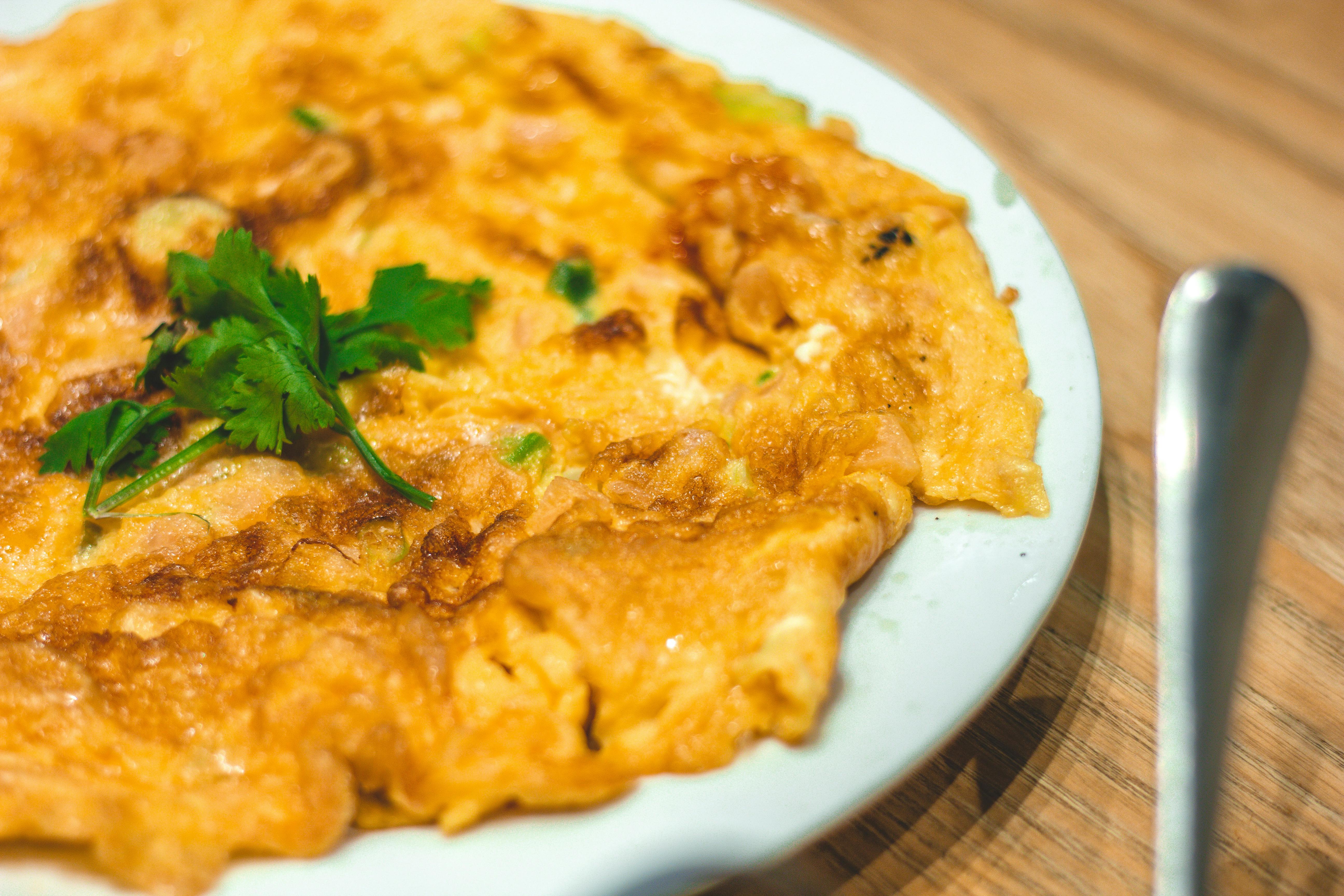
The texture is the signature: crisp lacy edges, a soft, almost custardy middle, the gentle chew of taro running through it, and little pops of oyster. It's richer and more substantial than a standard hoy tod — closer to a meal than a snack, though locals cheerfully treat it as both.
How it's served
O-tao comes off the griddle onto a plate or a banana-leaf-lined tray, with the standard hoy tod armoury beside it: chilli sauce (the sweet red kind, plus a sharper one if you ask), fresh bean sprouts and garlic chives on the side at some stalls, and chopsticks. Some vendors offer a choice of oyster or mussel; oyster is the classic order and the one the dish is named for in spirit. A plate usually runs around ฿60–120 at markets and street stalls, a little more in restaurants that have adopted it.
Eat it immediately. O-tao is a dish with a short half-life — the contrast between the crisp edge and the soft centre is the whole point, and it does not survive a takeaway ride across town. Market stool, plastic fork, straight off the griddle: that's the correct format.
Where to find it
Night markets are the natural habitat — look for it at the island's weekend and evening markets, where dedicated o-tao stalls often draw their own small queues. Phuket Town has the deepest bench, including long-running shops that treat it as a headline dish rather than a sideline, and it turns up on the menus of Baba and local-food restaurants as a starter. In the beach towns it's less common on restaurant menus but appears at market stalls in Patong and Kata when the markets run.
O-tao vs hoy tod: the honest difference
Visitors sometimes order hoy tod expecting o-tao and wonder what the fuss was about. Hoy tod is a fine dish — crisp, eggy, gone in five bites. O-tao is hoy tod's Phuket cousin who stayed home and learned the family recipes: the taro gives it body, the oysters are local and small and taste of the sea here, and the pork on top ties it to the island's Hokkien-Chinese kitchen. If a stall only does one, do the one with tao in the name. You can eat hoy tod anywhere in Thailand. This one, you eat here.
More only-in-Phuket dishes are explained on PhuketDining.net, with the island's full food guides on PhuketLive.com.


Comments
Post a Comment