The Complete Guide to Eating in Phuket: From 60-Baht Noodle Shops to White Tablecloths
Most islands in Thailand feed tourists well enough. Phuket is different: it feeds itself well, and visitors get to join in. The island has a food culture of its own — southern Thai heat, Hokkien Chinese noodle shops that have run for generations, Muslim curry houses, and Peranakan (Baba) home cooking layered on top — and UNESCO wasn't being polite when it named Phuket a Creative City of Gastronomy. What that means for you is a ladder. At the bottom rung is a bowl of noodles that costs less than a bottle of water back home and might be the best thing you eat all week. At the top is a tasting menu that people fly in for. Every rung in between is worth climbing, and this guide walks the whole ladder: what each tier is, what to order when you're standing in front of it, how ordering and paying actually work, and roughly what it costs. Prices below are typical ranges in baht, hedged because prices drift — treat them as a fair yardstick, not a quote.
Tier 1: Street stalls and carts (about ฿40–100 a dish)
The bottom of the ladder is where Phuket starts its day and ends its night. Street stalls and pushcarts cluster wherever people actually live and work: outside markets, along the roads into Phuket Town, near schools and temples, and in the sois behind the beach resorts. A stall usually does one thing — noodle soup, grilled pork skewers, satay, fried chicken, roti, pad thai, mango sticky rice — and does it thousands of times a month, which is exactly why it's good.
What to order: whatever the stall specialises in. A noodle cart means noodle soup or dry noodles; a grill cart means skewers, grilled squid or chicken by the piece; a roti cart means a crisp pancake with curry or banana and condensed milk. If there's a signature dish you can't identify, point at what the person next to you is eating — that is a completely normal, accepted way to order.
How it works: no menu, or a small one in Thai. You order verbally, sit on the plastic stools at the metal table, and pay when you finish — cash, small notes appreciated. Many stalls now take PromptPay QR too; you'll see a blue QR code taped to the cart. Hygiene is the obvious worry, and the reliable rule is turnover: eat where it's busy, where the queue is Thai, and where food is cooked to order in front of you rather than sitting around. A busy stall is both safer and better.
Tier 2: Shophouse noodle and rice shops (about ฿50–150 a dish)
One step up are the open-fronted shophouses — a family business on the ground floor, home upstairs, the same recipe for thirty years. This is Phuket's everyday restaurant tier and, for a lot of locals, its favourite. Phuket Town is full of them, but every community on the island has its own.
What to order: this is where Phuket's own dishes live. Hokkien mee — thick yellow noodles stir-fried in a rich, dark broth with seafood, pork and a soft egg — is the island's signature bowl. Khanom jeen is the breakfast move: fermented rice noodles with your choice of curry ladled over, plus a table full of raw vegetables and herbs you add yourself. Rice shops serve khao rad gaeng — rice with one or two curries from the trays on the counter — and the place to try real southern flavours cheaply: gaeng som (fiery sour orange curry), kua gling (dry-fried spiced minced pork), and the gentler Baba classic moo hong, braised pork belly in a sweet, dark sauce. Dim sum houses are their own morning sub-tier: bamboo baskets of steamed dumplings brought to the table, picked by the basket, washed down with sweet tea or strong coffee.
How it works: walk in, sit anywhere, order from the menu board or the person who comes to your table. At khao rad gaeng counters you point at trays; at dim sum places you just take baskets and the empties are counted at the end. Water or weak tea on the table is usually free or nearly so. Pay at the counter on your way out. These are cash-and-QR places; cards are rare. Southern food warning, given once and meant seriously: southern Thai cooking is genuinely hot, and a local shop will not automatically tone it down. Order one fiery dish and one mild one, keep the rice coming, and you'll be fine.

Tier 3: Markets and food courts (about ฿150–400 per person, grazing)
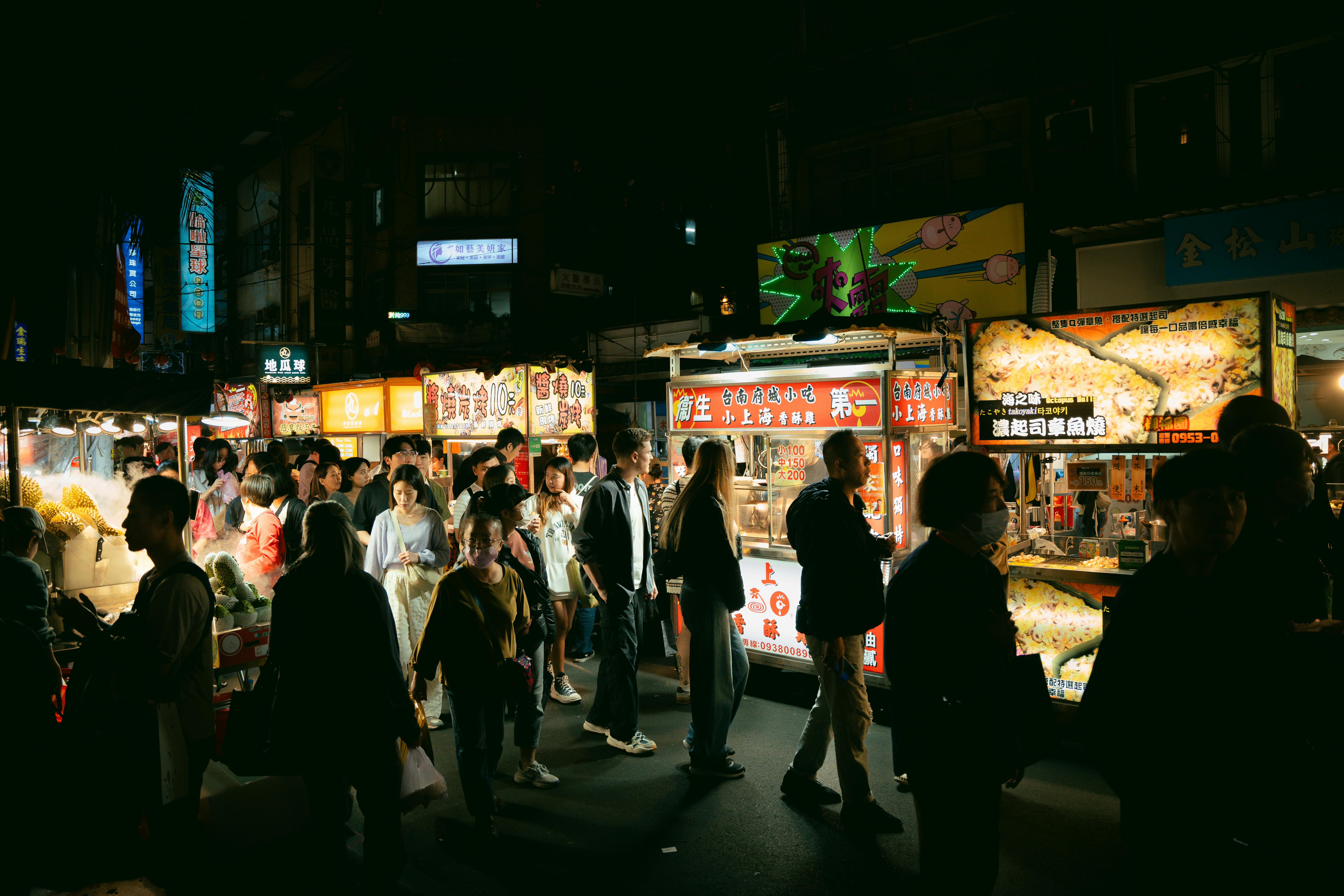
Markets are where the first two tiers gather in one place, and they're the easiest way to eat widely on a small budget. Phuket's big open-air markets — the Sunday Walking Street on Thalang Road in the Old Town, the Naka Market on weekends, Chillva Market, and Malin Plaza in Patong — are each dozens of stalls cooking to order. The strategy is grazing: small portions from many stalls, shared around, rather than one big plate from the first place you see.
What to order: the market is your chance to try the things you'd hesitate over in a restaurant — grilled seafood skewers, Phuket-style o-tao (a fried oyster-and-taro dish found almost nowhere else), satay with proper peanut sauce, coconut pancakes, fried insects if you're curious (nutty, crunchy, genuinely fine), and a mango sticky rice or a paper cup of Thai dessert to close. At morning markets, add khanom jeen and roti with curry to the list.
How it works: most market stalls are pay-as-you-go, cash or QR per stall. Shopping-mall food courts — a different, calmer animal — work on a prepaid card or QR balance you load at a desk and refund what's left; they're air-conditioned, spotless, and priced barely above street level, which makes them a smart lunch anchor on a hot day. Either way, around ฿200–400 a person buys a serious amount of food. Arrive hungry, walk the full market once before buying anything, and pace yourself — the last row always has something better.
Tier 4: Mid-range restaurants (about ฿300–800 per person)
The middle of the ladder is the sit-down restaurant with a printed menu, air-conditioning or a sea breeze, and a bill that still feels like a bargain by home standards. This tier splits in two. In Phuket Town, it's where the island's most interesting cooking happens outside the fine-dining rooms: modern southern Thai kitchens in converted shophouses, long-running family restaurants serving Baba dishes you'll never see on a beach menu, and ambitious little places doing things with local seafood and market produce. In the beach towns — Patong, Kata, Karon, Kamala — mid-range runs heavier on international food (Italian, Indian, steakhouses, seafood grills) but every beach town also has Thai restaurants a street or two back from the sand that are better and noticeably cheaper than the beachfront row. The rule of thumb never changes: the further your table is from the beach, the better the ratio of food to rent.
What to order: in Town, order the Phuket dishes in their grown-up versions — crab curry with betel leaf (gaeng pu bai cha plu), moo hong, fresh oyster omelettes, whatever the daily market fish is. At beach-town Thai places, the classics done properly: tom yum goong, green curry, a whole steamed fish with lime and chilli if the price is agreed before it goes on the steamer.
How it works: this tier takes cards at most places, menus have photos and English, and there's usually a 7% VAT question — some menus include it, some add it, and a service charge appears at the plusher end. Check for "++" on the menu if you want to predict the final bill. Tipping isn't compulsory, but rounding up or leaving around 5–10% where no service charge was added is normal and appreciated. Book ahead on weekends in Town; beach towns are mostly walk-in outside peak weeks.
Tier 5: Seafood places (about ฿500–1,500 per person)
Seafood deserves its own tier because it works differently. The headline Phuket experience is Rawai Beach, at the island's southern tip, where fishing families sell the day's catch from seafront stalls at per-kilo local prices. You choose your prawns, squid, crab or snapper, pay for the seafood by weight, then carry it across the road to one of the restaurants facing the stalls, which cook it your way — grilled, steamed with lime, garlic and pepper, in a curry — for a small cooking fee of roughly ฿100–150 per kilo. A full feast for two, with rice and drinks, typically comes in well under a comparable beachfront restaurant, and nothing is fresher.
What to order: big prawns grilled or in tom yum, squid with garlic and pepper, crab in yellow curry powder, a whole snapper steamed with lime. Build the meal around two or three cooked dishes, not seven.
How it works — and how not to get caught: seafood across Thailand is sold by weight, and the one hard rule is to agree the price per kilo and watch it weighed before anything is cooked. At Rawai the system is transparent and the scales are honest; at some beachfront places elsewhere, vague pricing is how bills double. Ask, confirm, then relax. Outside Rawai, the island's fishing-village restaurants and the Town's seafood kitchens follow the same by-weight logic. Cards are accepted at the bigger restaurants; at Rawai's market stalls and cooking houses, plan on cash or QR.

Tier 6: The top end and the Michelin list (about ฿1,500 per person and up)
At the top of the ladder, Phuket does fine dining without embarrassment. The Michelin Guide covers Phuket, and its listings are a genuinely useful shortcut: at one end, Bib Gourmand recognition for humble places — including tiny shophouse operations — where the cooking outruns the room; at the other, full fine-dining tasting rooms, including a celebrated sustainable restaurant inside a Trisara resort that draws diners from across Asia, and chef's-counter and modern-southern-Thai rooms in and around Phuket Town. Add the west-coast resort restaurants at Bang Tao, Surin and Kamala — serious Thai and international kitchens with the views to match — and the top tier is deeper than most visitors expect from an island.
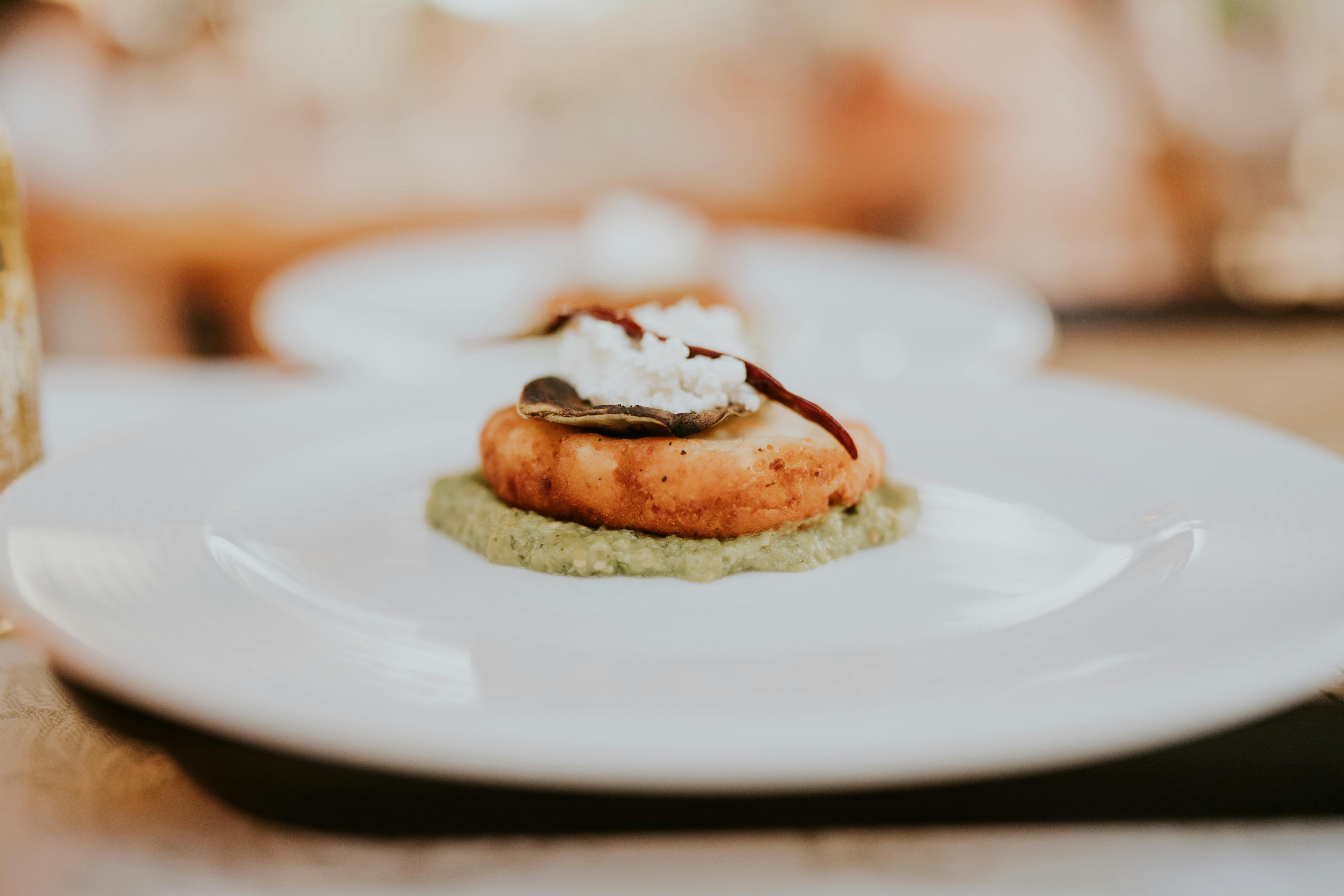
What to order: at this level, the tasting menu is usually the point, and à la carte exists for people who already know the kitchen. Phuket's best top-end cooking is built on the island's own ingredients — southern herbs, local crab and prawns, rice from named farms — so lean into the menu that tells that story rather than ordering the dish you could get in any capital city.
How it works: book ahead, especially in high season and always for the small rooms; the best-known places fill days out. Expect tasting menus from roughly ฿2,000 a head upward before drinks at the true top end, with Bib Gourmand meals far below that — another reason the Guide is worth reading tier by tier rather than treating "Michelin" as a synonym for expensive. Cards and deposits for big bookings are standard. Dress is resort-smart; nobody in Phuket is checking your shoes, but the beach singlet stays at the beach.
The practical stuff: ordering, spice and paying
A few mechanics that make every tier smoother. Ordering: at casual places, a raised hand and a smile get attention; menus in beach areas are widely in English, and in local spots pointing plus a photo on your phone will carry you. Spice: "pet nit noi" means a little spicy, "mai pet" means not spicy — both are respected requests, though at southern places "a little" still has a pulse. Water and ice: the tube-shaped ice with a hole through it is factory-made from purified water and safe; bottled water is everywhere and cheap; tap water is for brushing teeth. Paying: cash still runs the bottom half of the ladder, PromptPay QR is nearly universal (your banking app may or may not scan it — locals' codes sometimes only work with Thai accounts, so carry small notes as backup), and cards belong to the top half. Tipping: coins and rounding-up at stalls and shophouses where it fits, 5–10% at sit-down places without a service charge, and nothing is demanded anywhere.
Climbing the ladder
The mistake visitors make is picking one tier and living on it — all beachfront restaurants, or all fine dining, or all night-market grazing. Phuket's food makes most sense as the whole ladder: a ฿60 bowl of Hokkien mee for breakfast in a shophouse older than you are, a market graze in the evening, a Rawai feast when the boats come in, and one white-tablecloth night to see what the island's ingredients become in serious hands. Eat where the island eats, confirm the price before the fish is weighed, and keep the rice coming when the south turns up the heat. You'll leave understanding why people quietly extend their holidays here.
More Phuket guides — beaches, boating, golf and nightlife — live at PhuketLive.com, and if you're basing yourself in Patong for the eating, booking direct keeps more of your budget for the food.


Comments
Post a Comment