Khanom Jeen for Breakfast: Phuket's Way
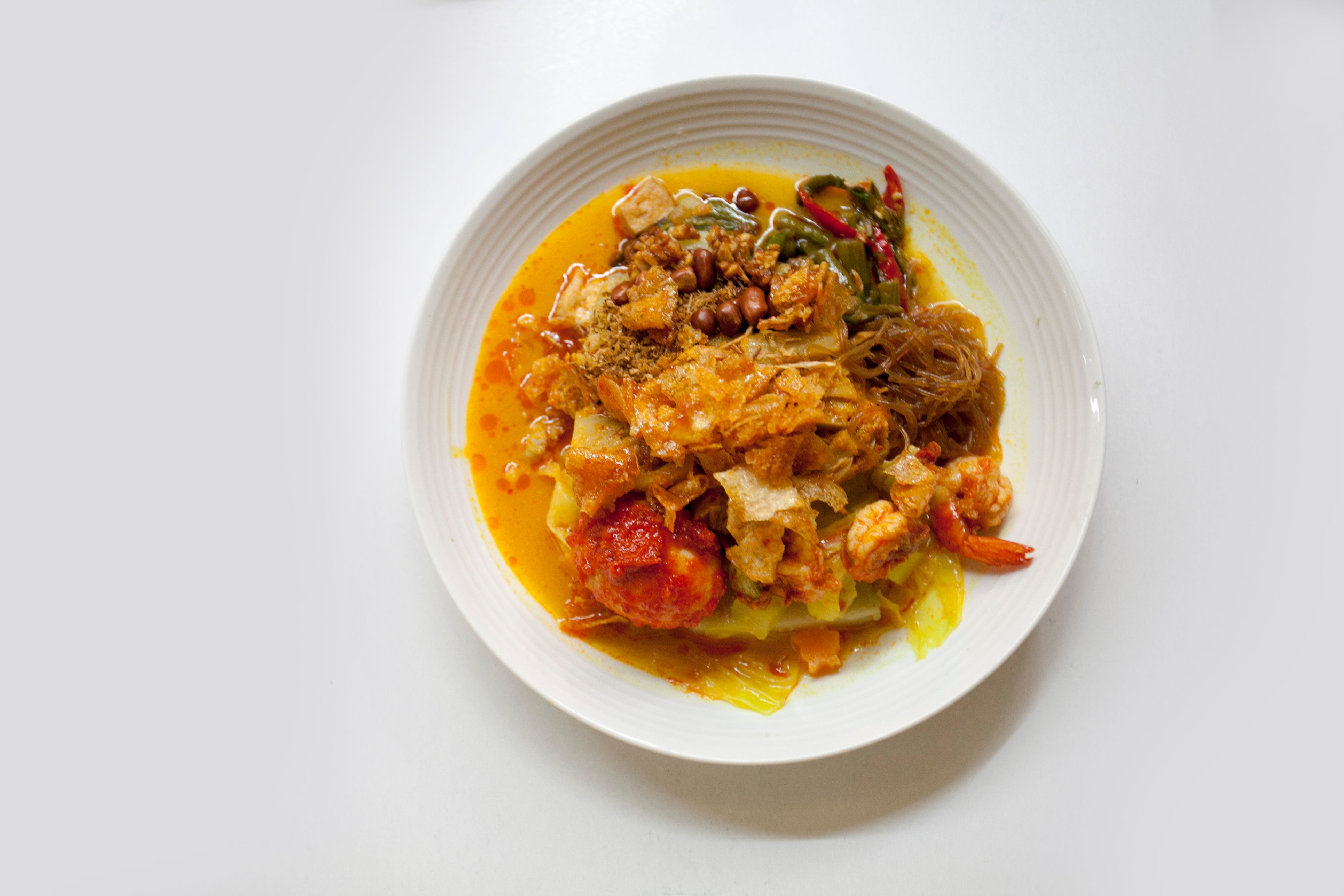
Breakfast in Phuket does not mean toast. For a great many islanders it means khanom jeen: soft, fermented rice noodles served with a ladle of curry and a small forest of raw vegetables and herbs, eaten in a shophouse or market stall while the day is still cool. Visitors who discover it on day two tend to keep going back every morning after. Here's how the ritual works.
The noodles and the curries
Khanom jeen are fresh rice noodles — white, soft, slightly tangled skeins made from fermented rice batter, with a gentle tang that plain rice noodles don't have. They're served at room temperature, in a modest mound, and you choose your curry from the pots on the counter. The core Phuket line-up:
- Nam ya — the classic: a fish-based curry, rich and pounded smooth, often with fish balls; the default breakfast choice.
- Gaeng tai pla — the intense one: fermented fish innards curry, salty and funky and fiery; locals love it, first-timers should take a small ladle and a brave heart.
- Gaeng keow wan / chicken or pork curries — the gentler routes for anyone not ready to start the day at full southern volume.
- Nam prik — a sweet-peanut-and-coconut curry, mild and rich, popular with kids and the spice-cautious.
A plate typically runs around ฿40–80 in markets and noodle shops — one of the great breakfast bargains in Thailand.
The vegetable table is not decoration
What makes the meal unmistakably southern is what comes free beside it: a spread of raw vegetables and herbs — bean sprouts, long beans, cucumber, bitter beans, pineapple chunks, banana blossom, an armful of leaves you've never seen before — plus pickled mustard greens and dried chillies. You tear, chop and pile them over your noodles as you go. They're not a side salad; they're half the dish, adding crunch, bitterness, freshness and cooling contrast to the curry. A boiled egg on top is a common and wise addition.
The etiquette is communal and relaxed: the vegetables sit in shared baskets, you take what you'll eat, and nobody is counting. If you're unsure what a leaf is, watch the table next to you — or ask. Breakfast shops are friendly places at 7 AM.
How a Phuket morning runs
Khanom jeen is a morning food first. The dedicated shops and market stalls open early — many by six — and the pots can sell down by mid-morning, especially the nam ya. The rhythm is fast: order at the counter, carry your plate to a metal table, eat with spoon and fork (chopsticks are not the tool here), and wash it down with sweet tea, strong kopi-shop coffee, or a glass of iced water from the communal jug. Ten unhurried minutes, and you've eaten the way the island actually starts its day.

Finding your shop
Phuket Town and the roads around the fresh markets are the heartland; every community on the island has at least one morning spot, often attached to or near the market itself. Look for the skeins of white noodles stacked by the counter and a queue of locals with motorbike helmets under their arms — that queue is the review. In the beach towns, market mornings are your best bet.
Order the nam ya first time, load the herbs with confidence, and keep the egg. By the third morning you'll have opinions about tai pla, which means you're doing Phuket breakfast properly.
PhuketDining.net is working through the island's dishes one by one — and PhuketLive.com has the morning markets and Town guides to pair with breakfast.


Comments
Post a Comment