Crab Curry with Betel Leaf (Gaeng Pu Bai Cha Plu)
If Phuket's best kitchens have an entrance exam, this is it. Gaeng pu bai cha plu — a rich coconut curry loaded with crab meat and ribbons of wild betel leaf — is the dish that separates the serious southern Thai restaurants from the ones just passing through. It's luxurious without being heavy, fiery without being crude, and it depends entirely on the quality of two ingredients: the crab, and the leaf you've probably never heard of.
The leaf is not a garnish
Bai cha plu — wild betel leaf, sometimes sold as wild pepper leaf — is not the same plant as the betel leaf chewed with areca nut, though they're cousins. In the kitchen it's a dark green, glossy leaf with a warm, peppery, faintly medicinal flavour, and in this curry it's a main ingredient, not a decoration. The leaves are sliced into ribbons or torn and folded through the curry at the end, where their peppery bite cuts through the coconut's richness. Order a version where the leaf is an afterthought and you'll get a sweet crab curry that's fine. Order the real one and the leaf is what you remember.
What's in the curry
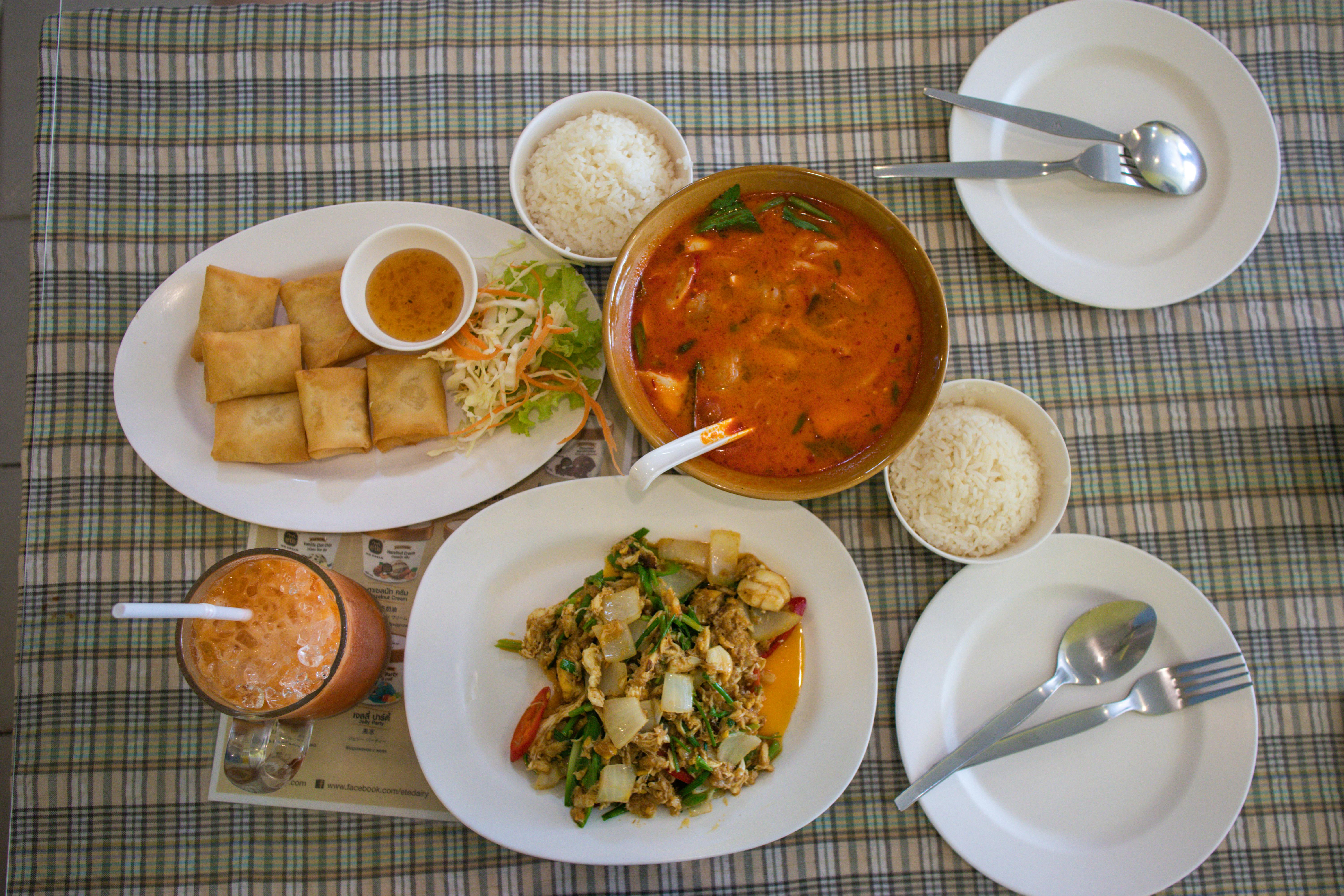
The base is a southern-style curry paste — chillies, turmeric, lemongrass, galangal, garlic, shrimp paste — fried in coconut cream until the oil splits and the raw edge cooks off. Coconut milk follows, then the crab: ideally generous lumps of picked meat, blue swimmer crab being the local classic. Many kitchens serve it two ways — with khanom jeen (the soft fermented rice noodles that are southern Thailand's favourite curry vehicle) or over jasmine rice. The noodle version is the more traditional Phuket presentation, and the one locals will push you toward. Take the advice.
Expect real heat. This is a southern curry that hasn't been told to behave for visitors, though better restaurants will ask or adjust if you speak up. A typical portion in a good local restaurant usually runs around ฿250–450 depending on how much crab is actually in it — and that last clause is the whole story, which brings us to ordering.
How to order it well
Crab is expensive, and menus price accordingly — or don't, which is its own warning. A few honest rules:
- Cheap versions skimp on crab. A low price usually means shredded bits and mostly shell. The mid-range portion at a reputable place is the value play.
- Ask what's in it today. Crab supply moves with the weather and the boats; a kitchen that answers plainly is a kitchen that cares.
- Noodles or rice? Khanom jeen for the full local experience; rice if you want to slow the heat down.
- Balance the table. Pair it with something gentle — moo hong, a clear soup, stir-fried vegetables — because this curry is the loudest voice at the meal, by design.
Why it matters here
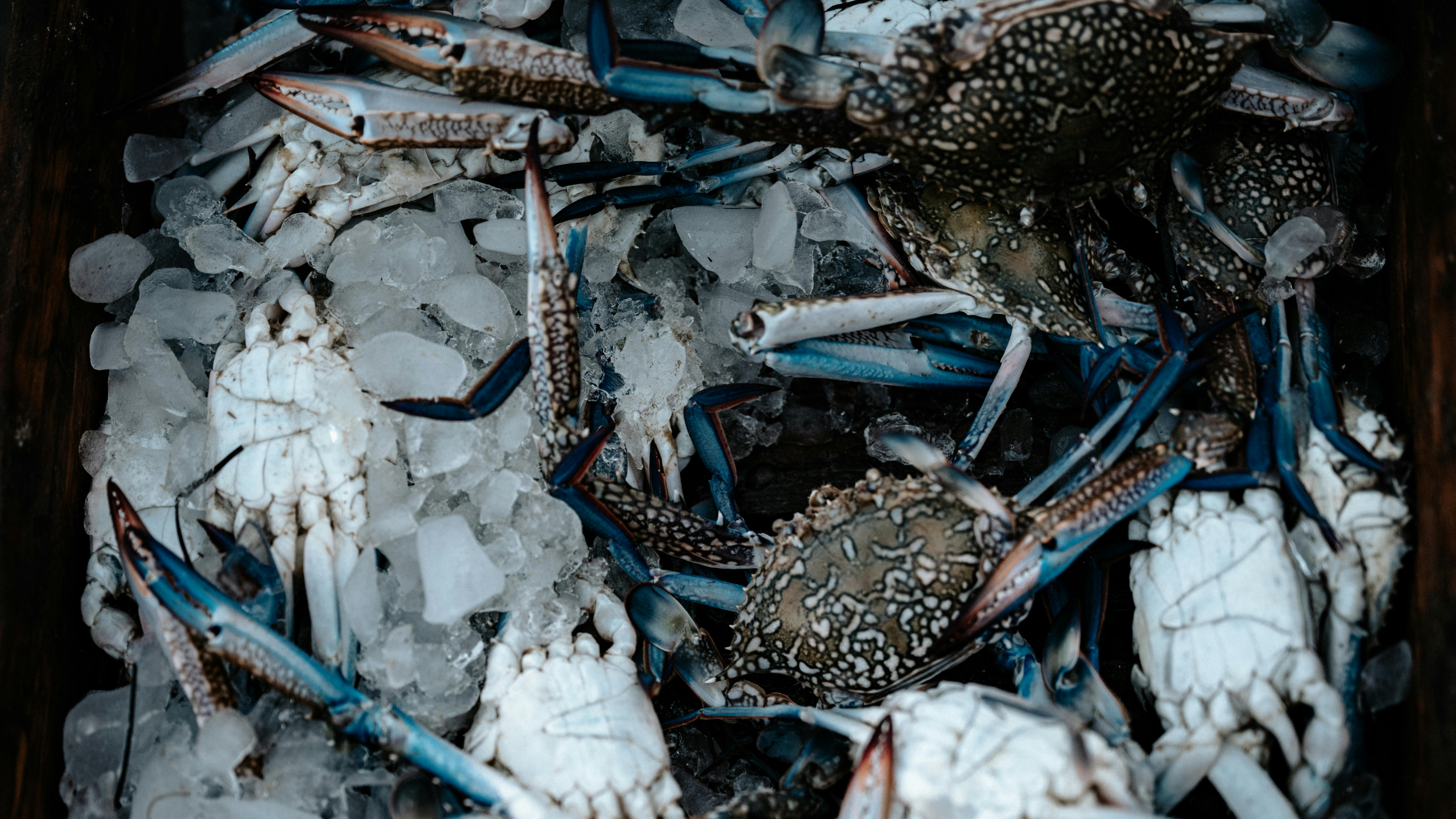
Phuket is a crab island — the mangrove edges and offshore waters have supplied blue swimmer and mud crabs for generations — and gaeng pu is where that catch meets the island's southern curry craft at the highest level. You'll find humble versions in rice shops and polished ones in Phuket Town's serious dining rooms and the Guide-listed kitchens. Start anywhere; just make sure the leaf is in there doing its job, green and unapologetic.
PhuketDining.net explains the island's dishes one by one — and PhuketLive.com covers where to eat them.


Comments
Post a Comment